Algorithmic Art Skill
Generative art via p5.js — flow fields, particle systems, layered noise. Outputs an interactive sketch, not a static image.
By Anthropic
Source: github.com
Install
npx degit anthropics/skills/skills/algorithmic-art ~/.claude/skills/algorithmic-art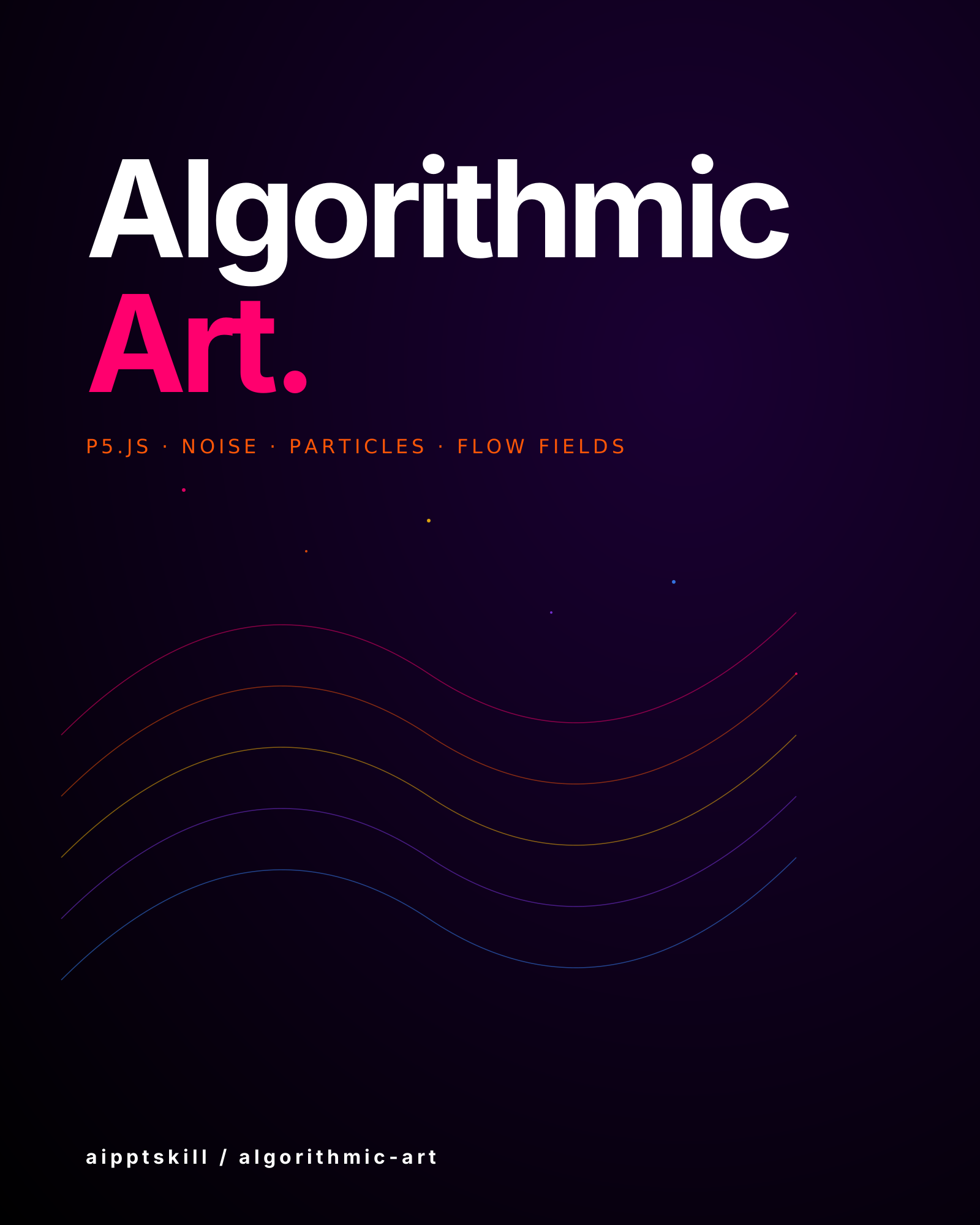
algorithmic-art is one of the most ambitious skills in the Anthropic
collection. It doesn’t draw an image; it composes an algorithmic
philosophy and then expresses it as p5.js code that generates beauty by
running.
The two-step workflow
- Algorithmic Philosophy Creation (
.md) — name a movement (e.g. “Organic Turbulence,” “Quantum Harmonics”), articulate the philosophy in 4–6 paragraphs, describe how it manifests through computation - p5.js Expression (
.html+.js) — write the actual sketch that embodies the philosophy. Flow fields, noise octaves, particle systems
What it’s good at
- Generative art pieces — flow fields, particle systems, Voronoi, noise
- Interactive sketches — viewers can tune parameters and see emergence
- One-of-one outputs — every render is different (seeded randomness)
What’s surprising
- The skill insists you don’t generate static images. Beauty lives in the process, not the final frame.
- It actively avoids copying existing artists’ styles — every output is an original computational aesthetic.
Composes with
web-artifacts-builder— wrap the sketch in a styled artifacttheme-factory— apply a coherent palette to the generated outputfrontend-design— design the surrounding interface
Notes from curation
This is the most “art-school” skill in the lot. Don’t expect predictable output — that’s the point. Use it for hero images, social headers, or just to admire what algorithmic beauty looks like in 2026.
Example prompt
Use algorithmic-art to design a generative artwork called "Quantum Harmonics."
Particle systems with layered Perlin noise. Color emerges from velocity —
fast particles burn bright, slow ones fade to shadow.
Related skills
Capture Screen Skill
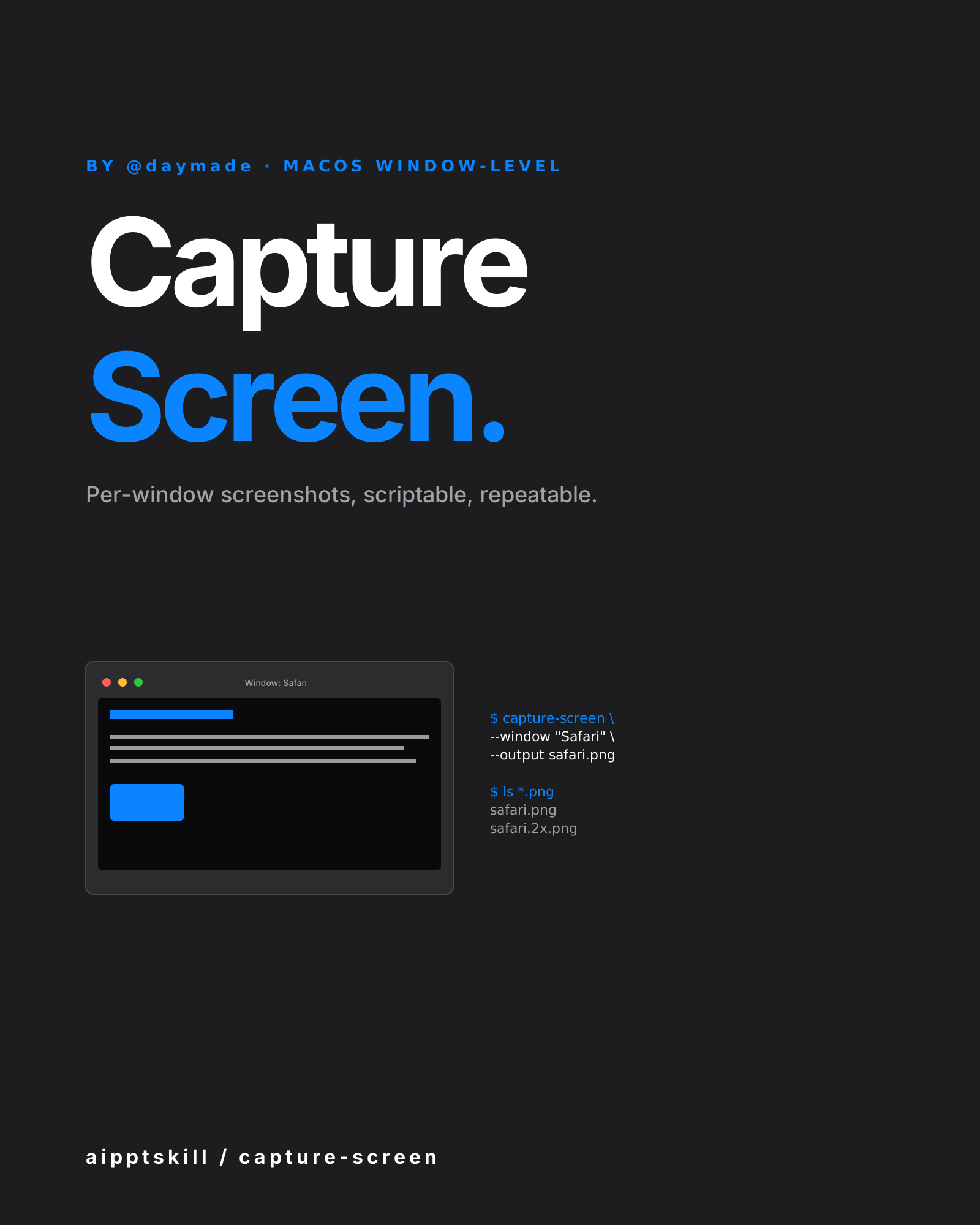
macOS window-level screenshot automation. Per-window capture, scriptable, repeatable. By @daymade.
CLI Demo Generator Skill
Programmatic terminal-recording for README files and documentation. Powered by VHS — write a script, get a perfect GIF every time. By @daymade.
LLM Icon Finder Skill
Find any AI / LLM brand icon — Claude, OpenAI, Gemini, Grok, Mistral, Meta, NVIDIA and 100+ more. SVG and PNG, light and dark variants. By @daymade.
More from Anthropic
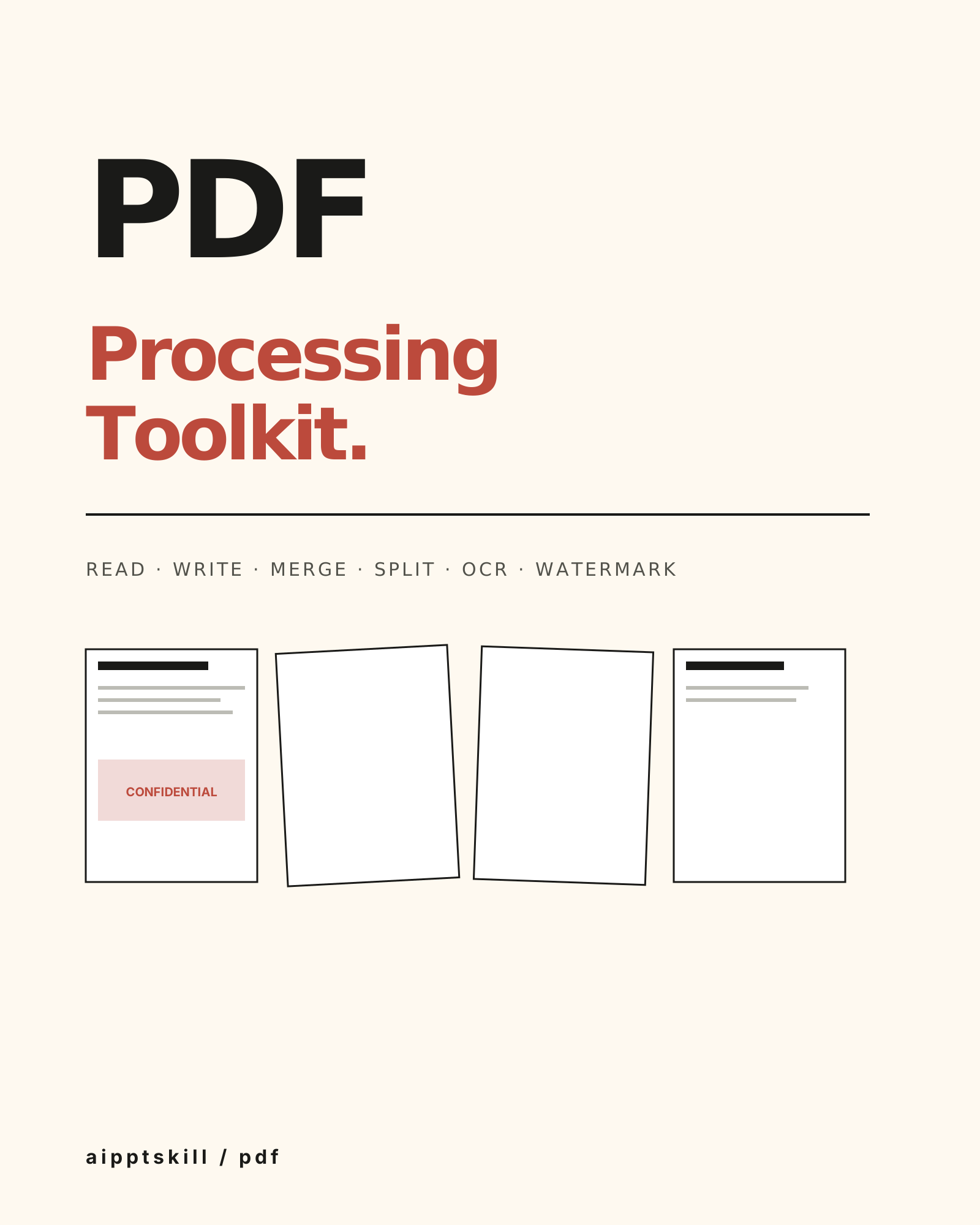
Anthropic PDF Skill
Full-stack PDF — read, write, merge, split, watermark, encrypt, fill forms, OCR. The Swiss army knife for anything .pdf-shaped.
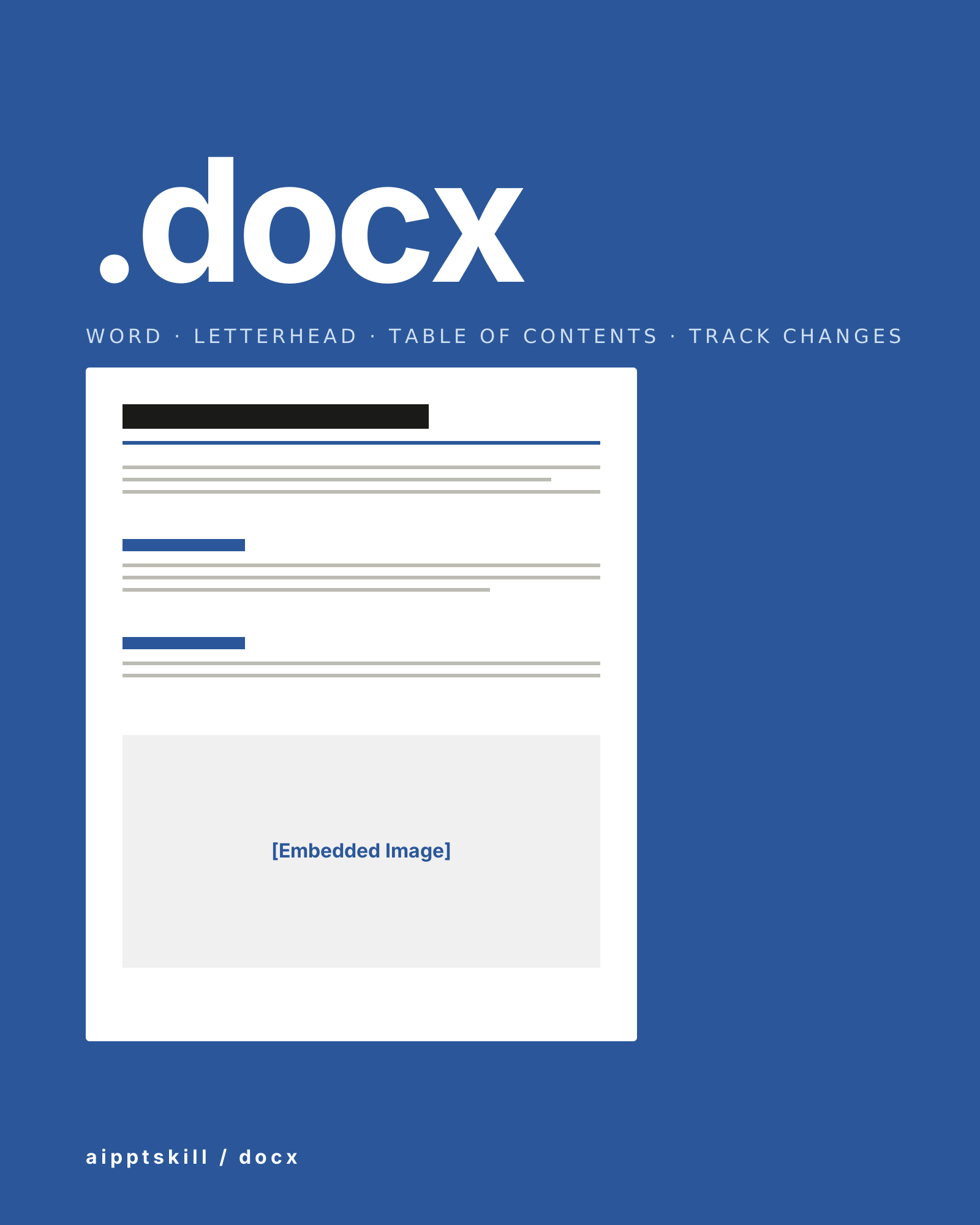
Anthropic DOCX Skill
Create, read, edit, and analyze Word documents — table of contents, headings, page numbers, letterheads, tracked changes, comments, image insertion. The full .docx toolkit.
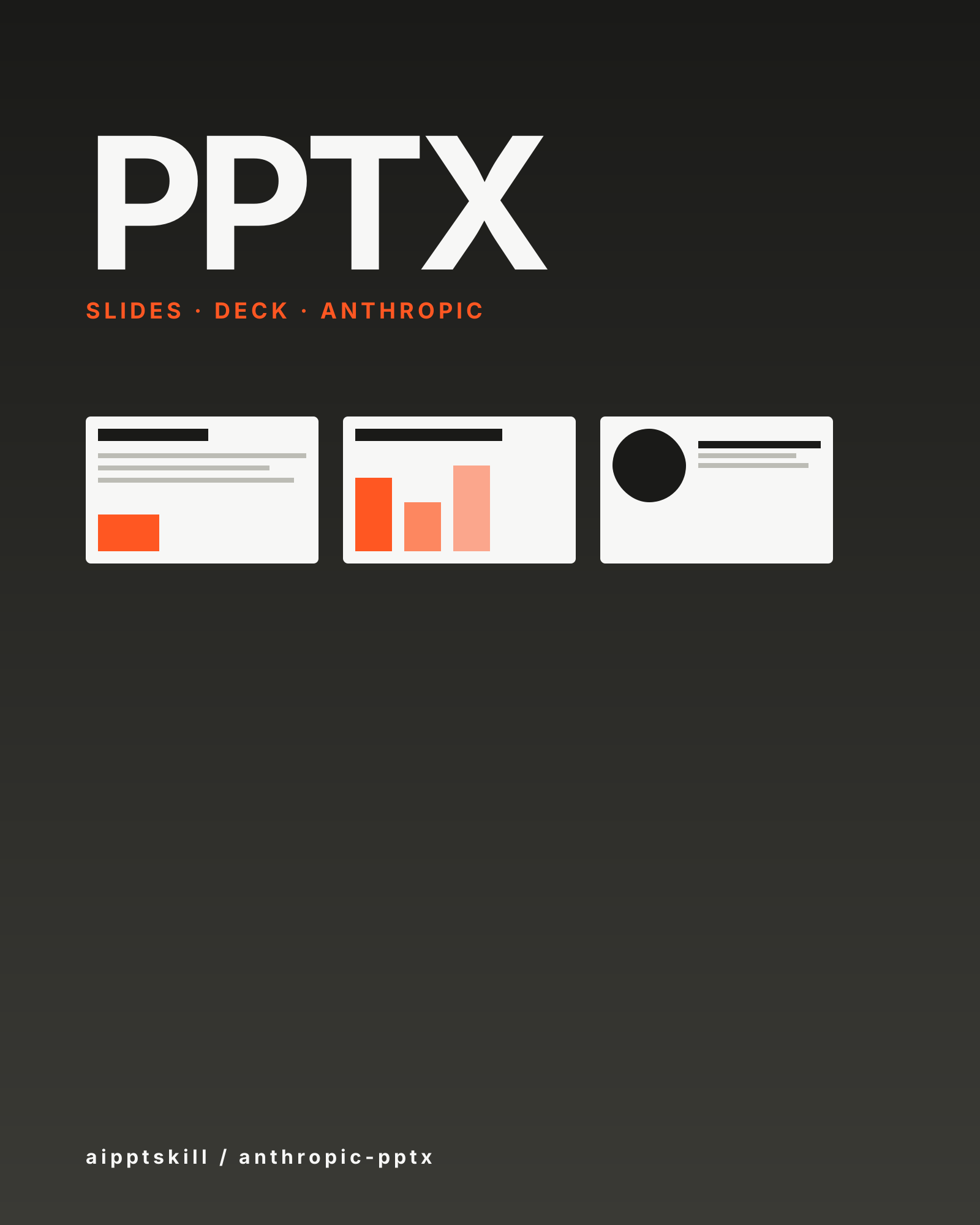
Anthropic PPTX Skill
Generate, read, and edit .pptx decks — speaker notes, layouts, and tables included.